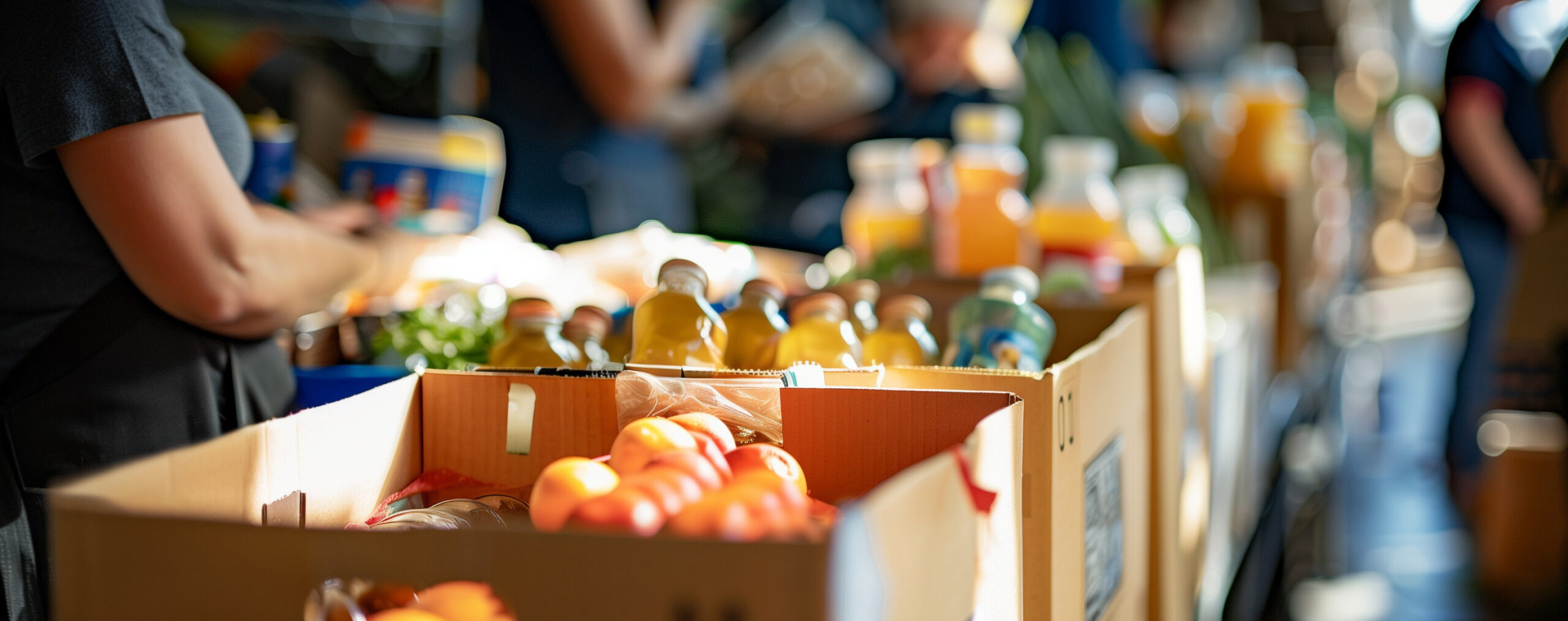
When Michigan families abruptly lost access to SNAP benefits last month, the impact was immediate and painful. Overnight, more than 1.4 million people—seniors, veterans, working parents, children, people with disabilities—lost the most basic support they rely on to put food on the table. Even now, with benefits reinstated, families will spend weeks trying to recover from the disruption.
But across the Food Club Network, something powerful happened: Communities stepped in, quickly and generously, refusing to let their neighbors walk through this crisis alone.
At Lakeshore Food Club (LFC) in Ludington, the effects of the SNAP pause were felt immediately. New faces arrived and familiar faces returned with heavy hearts. People who had been doing everything right—working, budgeting, stretching dollars—were suddenly in crisis because the safety net they rely on disappeared overnight. Yet the community’s response was just as swift. Volunteers stepped into additional shifts, sorted donations, and kept shelves full. Staff worked long hours to maintain inventory and greet every family with warmth and respect. Businesses and neighbors organized food drives, sent checks, dropped off donations, and asked how they could help. Through it all, the Food Club promised to be there, continuing to offer fresh produce, dairy, meat, pantry staples, personal care items, and the simple dignity of choice. And because their region includes many smaller pantries with limited resources, LFC shared generously, making sure no pantry in their network faced this crisis alone.
At Community Action House (CAH) in Holland, the SNAP pause brought a surge in demand unlike anything seen this year. As with LFC, volunteers were among the first to respond, filling extra shifts, taking on new roles, and creating a sense of stability on days when service levels changed by the hour. Their steady presence meant that families still walked into a calm, welcoming space, even as the team rapidly expanded food capacity with larger orders, additional cooler space through a partnership with Kids’ Food Basket, and dozens of community-led food drives. Over just ten service days, CAH welcomed 2,546 family shopping visits—hundreds more than usual—and nearly 100 new families came for the first time. Thanks to volunteers and donors, fresh vegetables, staples, and holiday foods were fully stocked, contributing to an 87% increase in fresh produce going home with neighbors. In just two weeks, volunteerism grew 31%, making it possible for every guest to experience dignity and choice in a moment of stress and uncertainty.
In Grand Rapids, the Community Food Club (CFC) felt the pressure building even before benefits were paused. Calls from people wanting to join the waitlist skyrocketed from about 40 per week to 200. When SNAP officially halted, the team responded loudly and quickly, hosting two press conferences to help the community understand the scope of the crisis and to advocate for reinstatement. What followed was a wave of support: longtime donors giving more, new donors stepping forward, partner organizations amplifying their message, and fellow food nonprofits collaborating to meet the growing need. With this momentum—and even before all needed funds were raised—CFC made a bold decision: they began calling 400 households off their waitlist and offering immediate membership. One volunteer described feeling “like Santa” as she called family after family with news that they could come shop. That sense of joy and relief has carried the team forward, even as they continue raising funds and distributing food to families who are dealing with the physical, emotional, and financial strain caused by the disruption.
Taken together, these stories paint a clear picture: across West Michigan, neighbors refused to let neighbors go hungry. Volunteers became the backbone of the response, donors stepped forward with food and funds, and families walked into spaces that stayed stocked, welcoming, and stable even as demand surged. Each club found ways to collaborate, advocate, and support others around them, creating a community-wide safety net when it was needed most.
SNAP benefits may be restored, but recovery will take time. Rising costs, winter bills, and the strain of the season mean many families will continue to feel the effects for weeks or months. Yet this moment revealed something enduring about our communities and the Food Club model itself: when challenges arise, people show up with generosity and a belief in their neighbors’ worth. We are grateful for the compassion that carried thousands through this uncertain month. To every volunteer, donor, partner, and organizer: Thank you for ensuring no one faced this alone.


